
Mould release agents are substances which prevent sticking and improve separation during a moulding process i.e. separating the product, from the mould when it is being made.
The choice of release agent depends
largely on the material being moulded, size, complexity, mould material, and
the quality of the surface finish required. These mould release agents
generally take the form of a type of oil or wax applied to the interior of the
mould. However, due to the variety of materials that are moulded and the difference
in moulding process; chemical differences between mould release agents can
allow for differences in performance.
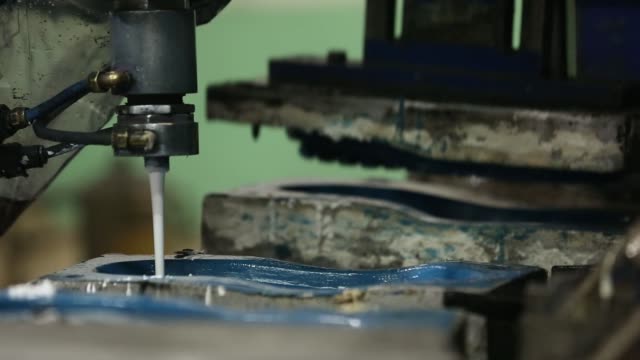
KINDS OF MOULD RELEASE AGENTS:
Material Considerations
When selecting a mould release agent, consider the material being processed and the final part being produced.
For instance, metals react with lubricants differently than polymers, so different release agents must be used. It is important to realise that the release agent should have little to no effect on the moulded part aside from the freeing it from the interior of the mould, otherwise the lubricant might chemically affect the material being used. A manufacturer may wish for a release agent to have the additional ability to change the surface makeup of a moulded article, perhaps to make it shiny or matted in appearance. Only certain kinds of mould release agents will have this effect, so choices must be made carefully.
Additive Considerations
Certain materials are much
more likely to adhere to the interior of a mould, so increasing the slip
capabilities of a given mould release agent can be preferable. Some areas of
the mould may be much more difficult to achieve release than others, so
parting agents can be combined to induce different slip levels in different
areas. It is also necessary to choose a mould release agent that will not cause
unsightly build-up on either the mould or the moulded article.
Environmental Considerations. Another significant
consideration for mould release agents is workplace and envrionmental safety.
Odours, reagents and allergenic chemicals can cause problems if a person is
exposed to them. Many mould release agents are thus made to be odourless and
hypoallergenic, so products exposed to them will not cause reactions from
consumers or workers.
APPLICATION OF MOULD RELEASE AGENTS:
Depending on the release agent, application processes can vary so it is always important to consult the manufacturers' instructions before using it. Some release agents require thicker coatings than others, while other agents necessitate a longer drying period to be effective. These variables are important to know before the beginning of a project.
Mould release agents can be coated on moulds in various
ways. For smaller projects, moulders may use cloths or paintbrushes. For larger projects and greater control mould release agents can be applied using
various spraying methods. They often turn around fully coated moulds faster
than brush on techniques. Specialised machines also focus on applying mould
release agents to mould surfaces reducing overspray, without releasing possibly
dangerous aerosols plumes into the air. These gases, when released, can expose
unprotected workers to fumes and cause fire hazards because many mould release
agents are flammable.
INNOVATIONS IN MOULD RELEASE AGENTS:
Although, many mould release agents are composed of
dangerous chemicals, new trends in the make-up of mould release agents is the
implementation of green qualities to lessen the creation of the agent and the
possibility of eventual pollution. Many companies are working on improving
mould release agents so they can better compete in the increasingly green
market; although, it is important to note that not all mould release agents can
handle all types of mould materials and mould articles. This is because the
chemical make-up of certain water-based "green" mould release agents
can't compete with the extra slip inducements of more powerful, chemical-based
agents.
If you require any assistance evaluating your process and establishing the type of release agent you require, please contact us.